How Your Perception Is Influenced By Psychological And Social Factors
How Your Perception Is Influenced By Psychological And Social Factors
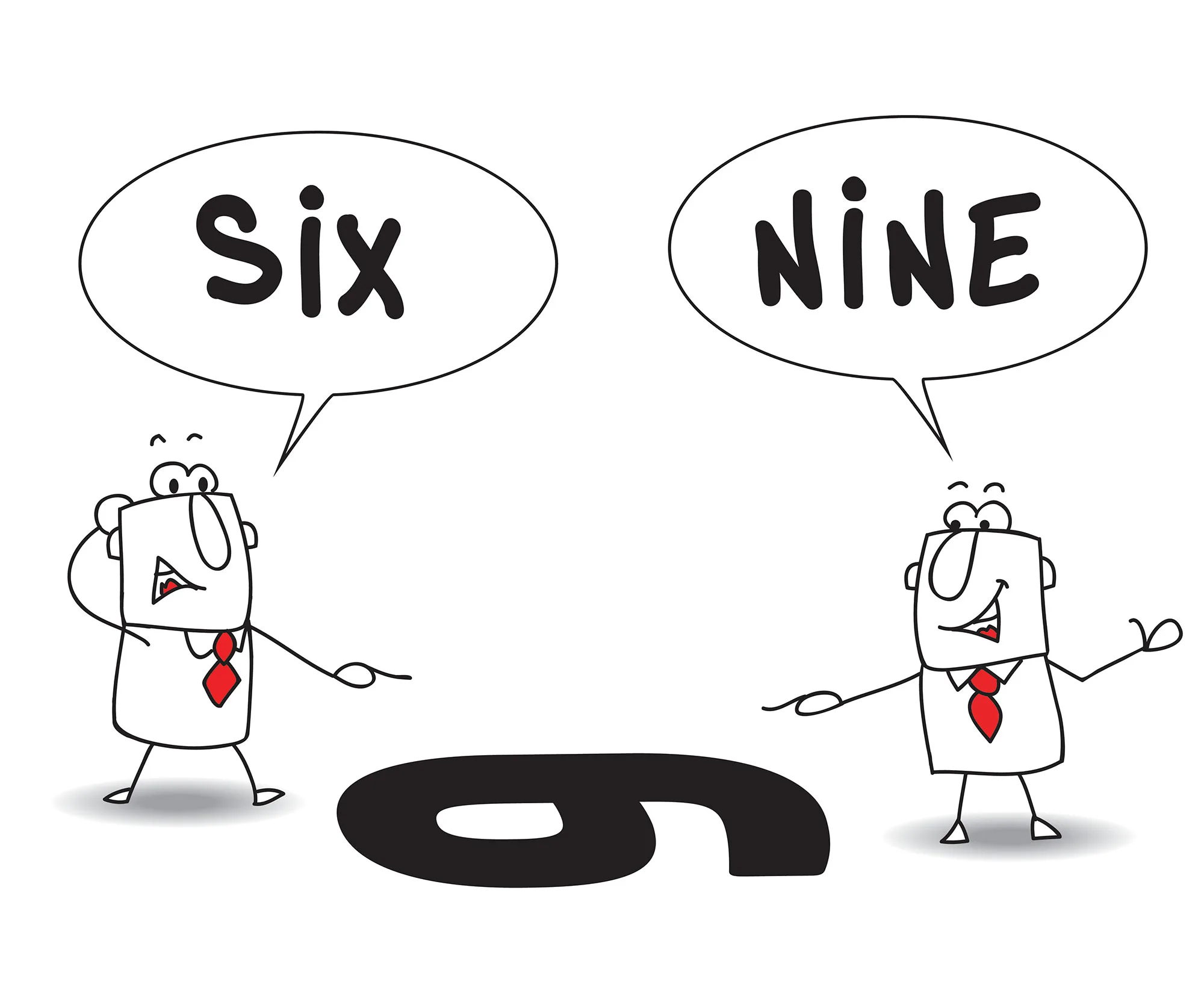
Perception is influenced by various psychological and social factors, including limiting beliefs, biases, childhood conditioning, and stereotypes. Each of these elements can shape how individuals interpret sensory information and interact with their environment. Here’s how they influence perception, along with examples and references to recent research.
1. Limiting Beliefs
Definition: Limiting beliefs are convictions that can constrain an individuals’ thinking and behavior. They can stem from personal experiences or societal messages.
Influence on Perception: These beliefs can act as filters through which people interpret new information. For example, someone who believes they are not good at public speaking may interpret feedback from a presentation as overly critical, even if it is constructive.
Example: A study by Wood et al. (2020) found that individuals with a fixed mindset about their abilities were less likely to seek out challenges, as they perceived failure as a reflection of their worth. This limited belief affected their willingness to engage in new experiences.
2. Biases
Definition: Biases are tendencies to think in certain ways that can lead to systematic deviations from rationality in judgment.
Influence on Perception: Cognitive biases can distort perceptions and lead to misinterpretations of events. One common example is confirmation bias, where individuals favour information that confirms their preexisting beliefs.
Example: A recent study by Nickerson (2021) highlighted how confirmation bias affects political perceptions, where individuals interpret news articles in ways that reinforce their political views while disregarding opposing information. This affects their overall understanding of political issues.
3. Childhood Conditioning
Definition: Childhood conditioning refers to the ways in which early experiences shape an individual’s beliefs, behaviors, and perceptions.
Influence on Perception: Experiences during formative years can create frameworks through which people view the world. For instance, a child who grows up in an environment that emphasises competition might perceive collaborative efforts as less valuable.
Example: Research by Bandura (2022) on social learning theory emphasized how children imitate behaviors they observe in adults. If a child sees adults displaying prejudiced behavior, they may internalize these views, affecting their perceptions of certain groups as they grow up.
4. Stereotypes
Definition: Stereotypes are oversimplified and generalized beliefs about a particular group of people.
Influence on Perception: Stereotypes can shape expectations and interpretations of individuals based on group membership rather than personal characteristics. This can lead to biased judgments and social interactions.
Example: A study by Devine et al. (2020) found that individuals often unconsciously rely on stereotypes when evaluating others. For instance, a hiring manager might unconsciously favor candidates from a certain demographic group based on stereotypes about their abilities, which can lead to unequal opportunities.
Brief Conclusion:
In summary, limiting beliefs, biases, childhood conditioning, and stereotypes significantly influence how individuals perceive and interpret their experiences. These factors can create filters that distort reality, leading to misunderstandings and reinforcing existing beliefs. Recognising these influences is crucial for promoting awareness and fostering more accurate perceptions of the world and the people within it.
References:
Bandura, A. (2022). Social learning theory. Annual Review of Psychology, 73, 1-20.
Devine, P. G., Forscher, P. S., Austin, A. J., & Cox, W. T. (2020). Long-term reduction in implicit race bias: A prejudice habit-breaking intervention. Journal of Experimental Social Psychology, 81, 246-258.
Nickerson, R. S. (2021). Confirmation bias: A ubiquitous phenomenon in many guises. Review of General Psychology, 5(2), 175-220.
Wood, M. A., et al. (2020). Mindsets and achievement: A meta-analytic review. Psychological Bulletin, 146(6), 610-641.